Tuesday, October 7, 2025

How Living a Healthy Life of Faith, Focus, Family, Friends, Fitness, & Food Can Help with Insurance Claims, Premiums, and Expenses


How Living a Healthy Life of Faith, Focus, Family, Friends, Fitness, & Food Can Help with Insurance Claims, Premiums, and Expenses

In today's world, your lifestyle choices directly impact more than just your daily well-being: they significantly influence your insurance costs, claim frequency, and overall healthcare expenses. At Borde & Associates, we've witnessed firsthand how clients who embrace the six pillars of healthy living experience remarkable improvements in their insurance experience. These six fundamental areas: Faith, Focus, Family, Friends, Fitness, and Food: create a comprehensive foundation that insurance companies recognize and reward through lower premiums, reduced claims, and enhanced coverage options.

The Insurance Connection: Why Your Lifestyle Matters

Insurance companies are increasingly sophisticated in their risk assessment models. They understand that individuals who maintain balanced, healthy lifestyles present lower risks, which translates directly into financial benefits for policyholders. When you demonstrate commitment to these six areas, you're essentially proving to insurers that you're less likely to file expensive claims or require extensive medical interventions.

image_1

Research consistently shows that people with strong foundations in faith, focus, family, friends, fitness, and food experience fewer chronic health conditions, recover faster from illnesses, and maintain better mental health throughout their lives. This data doesn't go unnoticed by insurance providers, who often offer substantial discounts and incentives to encourage these behaviors.

Faith: The Foundation of Wellness and Insurance Benefits

Your spiritual well-being plays a crucial role in your overall health profile, which insurance companies increasingly recognize. Individuals who maintain active faith practices often experience lower stress levels, better coping mechanisms during difficult times, and stronger community support systems. These factors collectively contribute to reduced healthcare utilization and fewer insurance claims.

Studies indicate that people connected to faith communities have measurably better health outcomes, including lower rates of depression, anxiety, and stress-related illnesses. Insurance providers acknowledge this correlation through wellness programs that may include spiritual health components or community engagement incentives.

When you're part of a faith community, you gain access to emotional support networks that help navigate life's challenges without relying solely on expensive healthcare interventions. This proactive approach to mental and emotional health demonstrates to insurers that you're managing risks before they become costly claims.

Focus: Mental Health's Impact on Insurance Costs

Mental focus and emotional well-being directly influence your insurance experience in several significant ways. Stress management, mindfulness practices, and mental health maintenance reduce your likelihood of developing stress-related physical conditions that often require expensive treatments.

image_2

Insurance companies now recognize that individuals who prioritize mental health through meditation, counseling, stress management techniques, and mindfulness practices present lower risks for a wide range of health issues. Many insurers offer reduced premiums or wellness credits for participating in stress management programs, mental health screenings, or mindfulness-based interventions.

Your ability to maintain focus and mental clarity also influences your decision-making regarding preventive care, medication compliance, and lifestyle choices: all factors that insurance companies track and reward through various incentive programs.

Family: The Health Benefits of Strong Relationships

Strong family relationships serve as one of the most powerful predictors of health and longevity, factors that directly impact your insurance profile. Research consistently demonstrates that individuals with supportive family networks experience better health outcomes, faster recovery times, and lower mortality rates across various health conditions.

Insurance companies understand that people with strong family support systems are more likely to seek preventive care, follow medical recommendations, and maintain healthier lifestyles overall. These behaviors translate into fewer emergency room visits, reduced chronic disease management costs, and lower claim frequencies.

Your family relationships also influence your mental health stability, which affects everything from your susceptibility to stress-related illnesses to your likelihood of engaging in risky behaviors. Insurance providers often consider family medical history and support systems when determining premiums and coverage options.

Friends: Social Connections and Insurance Advantages

Your social network strength significantly impacts your health outcomes and, consequently, your insurance costs. Social isolation has been linked to health risks comparable to smoking and obesity, while strong friendships contribute to better immune function, reduced inflammation, and improved mental health.

image_3

Insurance companies increasingly recognize that socially connected individuals have lower healthcare utilization rates and better health outcomes across numerous metrics. Some insurers offer wellness programs that encourage social engagement or provide discounts for participating in community activities and social fitness initiatives.

The emotional support provided by strong friendships helps buffer against stress, depression, and anxiety: conditions that often lead to expensive healthcare interventions. When you maintain meaningful social connections, you're essentially investing in a form of preventive healthcare that insurance companies value and often reward.

Fitness: Direct Impact on Premiums and Claims

Physical fitness represents perhaps the most direct connection between lifestyle choices and insurance benefits. Regular exercise reduces your risk of developing chronic conditions like diabetes, heart disease, hypertension, and obesity: all of which significantly impact insurance premiums and claim frequencies.

Many insurance providers offer substantial discounts for policyholders who demonstrate consistent fitness habits through wearable technology, gym memberships, or participation in wellness programs. These discounts can range from 10-30% off standard premiums, representing significant annual savings.

Your fitness level also influences your recovery time from injuries or illnesses, reducing the overall cost of claims when they do occur. Insurance companies track these patterns and adjust premiums accordingly, rewarding individuals who maintain active lifestyles with more favorable rates and coverage terms.

Food: Nutrition's Role in Insurance Savings

Your nutritional choices directly impact your health profile and insurance costs in measurable ways. A balanced diet rich in whole foods, appropriate portions, and essential nutrients reduces your risk of developing diet-related chronic conditions that require ongoing medical management.

image_4

Insurance companies often offer wellness programs that include nutritional counseling, healthy eating incentives, or discounts for participating in weight management programs. These initiatives recognize that proper nutrition serves as one of the most cost-effective forms of preventive medicine.

Maintaining a healthy weight through proper nutrition can result in significant premium reductions, particularly for life insurance policies. Additionally, good nutritional habits often correlate with better medication effectiveness and faster recovery times, reducing the overall cost of healthcare interventions.

Implementing the Six F's for Maximum Insurance Benefits

To maximize the insurance benefits of this holistic approach, consider these practical strategies:

Create a wellness portfolio that documents your commitment to each of the six areas. Many insurers offer wellness tracking programs that reward consistent healthy behaviors with premium discounts or cash incentives.

Participate in preventive healthcare programs that align with your lifestyle choices. Regular screenings, vaccinations, and check-ups demonstrate your commitment to maintaining health rather than simply treating illness.

Document your healthy habits through fitness trackers, wellness apps, or participation in community programs. This data helps insurance companies accurately assess your risk profile and offer appropriate discounts.

Engage with your insurance provider's wellness programs to understand available incentives and discounts. Many people miss opportunities for significant savings simply because they're unaware of available programs.

The Financial Impact: Real Savings and Benefits

The combined effect of embracing all six areas can result in substantial insurance savings. Healthy lifestyle discounts can reduce premiums by 10-50%, depending on your insurer and specific habits. Beyond premium reductions, you'll likely experience fewer claims, lower out-of-pocket expenses, and reduced healthcare costs overall.

At Borde & Associates, we help our clients understand and maximize these opportunities, ensuring they receive every available discount and benefit for their healthy lifestyle choices. Our comprehensive approach to insurance planning includes wellness program guidance and ongoing support to help you maintain these beneficial habits.

Your commitment to faith, focus, family, friends, fitness, and food creates a powerful foundation for both health and financial well-being. By embracing these six pillars, you're not just improving your quality of life: you're making smart financial decisions that will benefit you for years to come.

Ready to explore how your healthy lifestyle can reduce your insurance costs? Contact us today to discuss your options and discover the savings available through wellness-focused insurance programs.


Hashtags: #HealthInsurance #WellnessPrograms #InsuranceSavings #HealthyLiving #MentalHealth #PhysicalFitness #FamilyWellness #SpiritualHealth #NutritionMatters #SocialWellness #PreventiveCare #LifestyleChoices #InsuranceBenefits #HealthyLifestyle #WellnessTips #InsuranceDiscounts #HealthAndWellness #MindBodySpirit #CommunityHealth #InsurancePlanning



Monday, October 6, 2025

The Benefits of PPO Plans vs. Other Managed Health Insurance Plans: Especially When You Get the Medicare Part B Full Giveback and the Same Out-of-Pocket Costs In or Out of Network


The Benefits of PPO Plans vs. Other Managed Health Insurance Plans: Especially When You Get the Medicare Part B Full Giveback and the Same Out-of-Pocket Costs In or Out of Network

heroImage

Choosing the right health insurance plan can feel overwhelming, especially when you're trying to understand the differences between PPO, HMO, EPO, and POS plans. At Borde & Associates, we've helped countless families navigate these decisions over the years, and today we want to share why PPO plans often provide the best value: particularly when they come with special benefits like Medicare Part B givebacks and equal out-of-pocket costs regardless of your provider choice.

Understanding Your Managed Care Options

Before diving into the specific advantages of PPO plans, let's quickly review your main managed care options. Each type of plan manages your healthcare differently, affecting both your costs and your flexibility in choosing providers.

Preferred Provider Organization (PPO) plans offer the most flexibility in choosing doctors and specialists. You can see any provider you want, though you'll save money by staying within the plan's preferred network.

Health Maintenance Organization (HMO) plans typically offer lower premiums but require you to choose a primary care physician (PCP) who coordinates all your care and provides referrals for specialists.

Exclusive Provider Organization (EPO) plans combine elements of both PPO and HMO plans, offering no coverage for out-of-network care except in emergencies, but not requiring referrals for specialists.

Point of Service (POS) plans require you to choose a PCP like an HMO, but allow you to go outside the network for additional cost, similar to a PPO.

image_1

Why PPO Plans Stand Out from the Competition

Complete Provider Freedom

The most significant advantage of PPO plans is your freedom to choose any healthcare provider you want. Unlike HMO plans that restrict you to network providers only, or EPO plans that offer no out-of-network coverage, PPO plans ensure you have options. This flexibility becomes invaluable when you need specialized care, want a second opinion, or have established relationships with specific doctors.

With a PPO plan, you're never trapped by network limitations. If your trusted family physician isn't in your plan's network, you can still see them: something that's simply not possible with HMO or EPO plans.

No Referral Requirements

PPO plans eliminate the gatekeeping system that HMO and POS plans require. You don't need your primary care physician's permission to see a specialist or get diagnostic tests. This direct access saves you time, reduces delays in care, and puts you in control of your healthcare decisions.

Imagine needing to see a dermatologist for a concerning skin issue. With a PPO plan, you can schedule an appointment directly. With an HMO or POS plan, you'd first need to see your PCP, get a referral, and then schedule with the specialist: adding weeks to your treatment timeline.

Out-of-Network Safety Net

While other managed care plans severely limit or eliminate out-of-network coverage, PPO plans maintain partial coverage even when you need care from providers outside their preferred network. This safety net protects you financially when emergencies arise or when the best specialist for your condition happens to be out-of-network.

image_2

The Medicare Part B Giveback Game-Changer

For Medicare beneficiaries, some PPO plans offer an incredible benefit: the Medicare Part B premium giveback. This means the insurance plan reimburses you for some or all of your monthly Medicare Part B premium, which in 2025 is $174.70 for most beneficiaries.

When you find a PPO plan that offers the full Medicare Part B giveback, you're essentially getting enhanced healthcare coverage while reducing your overall Medicare costs. This benefit can save you over $2,000 annually, money you can use for other healthcare needs or simply keep in your pocket.

How the Part B Giveback Works

The giveback typically appears as a credit on your Social Security check or as a direct deposit, depending on how you pay your Medicare premiums. This monthly reimbursement makes your PPO plan's enhanced benefits essentially cost-neutral compared to Original Medicare alone.

Equal Out-of-Pocket Costs: The Ultimate PPO Advantage

Here's where some PPO plans become truly exceptional: when they offer the same out-of-pocket costs whether you visit in-network or out-of-network providers. This rare benefit eliminates the traditional trade-off between flexibility and cost that usually comes with PPO plans.

What This Means for Your Healthcare Decisions

When your out-of-pocket costs are identical for in-network and out-of-network care, you gain unprecedented freedom in choosing your healthcare providers. You can:

  • Visit any specialist without worrying about higher costs
  • Seek second opinions from the best doctors in your area
  • Maintain relationships with trusted physicians regardless of their network status
  • Access cutting-edge treatments at specialized facilities
  • Travel and receive care anywhere in the country at the same cost

image_3

Financial Peace of Mind

This benefit structure provides remarkable financial predictability. You know exactly what your healthcare will cost regardless of which providers you choose. There are no surprise bills from out-of-network providers, no percentage-based coinsurance that varies by network status, and no complex calculations to determine your costs.

Comparing Total Value: PPO vs. Other Plans

Let's look at how these benefits stack up in real-world scenarios:

Scenario 1: Routine Care
With any managed care plan, routine preventive care and basic medical needs are typically well-covered within the network. PPO plans don't necessarily offer advantages here, but they don't disadvantage you either.

Scenario 2: Specialized Care Needs
When you need specialized care, PPO plans shine. The ability to see specialists without referrals, combined with out-of-network coverage, ensures you can access the best care available. Other plan types may delay or limit your access to specialized treatment.

Scenario 3: Emergency Situations
In emergencies, all plan types typically provide coverage. However, PPO plans' out-of-network benefits can be valuable if you're traveling or if the best emergency care facility in your area isn't in your network.

Scenario 4: Chronic Condition Management
For ongoing health conditions requiring multiple specialists and coordinated care, PPO plans offer unmatched flexibility in building your healthcare team. You're not limited by network restrictions or referral requirements.

image_4

Who Benefits Most from These Enhanced PPO Features

These premium PPO benefits are particularly valuable for:

Frequent Travelers: If you spend significant time away from home, equal out-of-pocket costs mean you can receive care anywhere without financial penalties.

People with Complex Health Needs: When managing multiple conditions or rare diseases, access to the best specialists: regardless of network status: can be life-changing.

Those with Established Provider Relationships: If you have trusted doctors you've worked with for years, these PPO benefits let you maintain those relationships without financial consequences.

Medicare Beneficiaries on Fixed Incomes: The Part B giveback can provide meaningful monthly savings while maintaining comprehensive coverage.

Making Your Decision

When evaluating PPO plans against other managed care options, consider your healthcare priorities:

  • Do you value flexibility over cost savings? PPO plans typically cost more but offer significantly more freedom.
  • Do you have specific doctors you want to continue seeing? PPO plans ensure you can maintain those relationships.
  • Are you comfortable with managed care coordination? If not, PPO plans' direct access to specialists may be worth the extra cost.
  • Do you travel frequently or live part-time in multiple locations? PPO plans' nationwide coverage provides peace of mind.

image_5

Next Steps for Your Healthcare Coverage

Choosing the right health insurance plan is one of the most important financial and health decisions you'll make. While PPO plans with Medicare Part B givebacks and equal out-of-pocket costs offer exceptional value, the best plan for you depends on your specific circumstances, health needs, and financial situation.

At Borde & Associates, we specialize in helping individuals and families navigate these complex decisions. Our experienced team can help you compare your options, understand the true costs and benefits of different plan types, and find coverage that truly meets your needs.

Don't navigate this decision alone. Contact us today to schedule a consultation and discover how the right PPO plan can provide you with the healthcare freedom and financial protection you deserve. Your health and peace of mind are worth the investment in expert guidance.


Tags: #PPOPlans #HealthInsurance #MedicareOptions #HealthcareCoverage #MedicarePartB #InsurancePlanning #HealthPlan #ManagedCare #HealthBenefits #MedicareAdvantage #HealthcareFreedom #InsuranceExpert #HealthInsuranceGuide #MedicarePlanning #PPOvsPHMO #HealthInsuranceTips #MedicareGiveback #HealthcareChoices #InsuranceAdvice #MedicareSupport

Sunday, October 5, 2025

Why Today Cyber Insurance Is No Longer Optional for Small Businesses


Why Today Cyber Insurance Is No Longer Optional for Small Businesses

heroImage

The business landscape has fundamentally shifted, and if you're still considering cyber insurance as an "optional extra" for your small business, you're putting your entire operation at serious risk. What was once viewed as protection for large corporations has become an absolute necessity for businesses of all sizes: and the statistics prove it's no longer a matter of "if" but "when" your business will face a cyber threat.

At Borde & Associates, we've witnessed firsthand how cyber incidents can devastate unprepared businesses overnight. That's why we're committed to helping you understand why cyber insurance has evolved from a luxury to a critical component of your business protection strategy.

The Stark Reality: Small Businesses Are Prime Targets

Here's a sobering fact that might surprise you: 43% of all cyberattacks specifically target small businesses. Even more alarming? 75% of small enterprises have already experienced at least one cyberattack in the past year alone. These aren't just numbers: they represent real businesses, real families, and real livelihoods that have been impacted.

image_1

Cybercriminals have shifted their focus to small businesses for a simple reason: you're often easier targets. While large corporations invest millions in cybersecurity infrastructure and dedicated IT teams, many small businesses operate with limited cybersecurity resources, making them appealing and vulnerable prey for sophisticated attackers.

The misconception that "we're too small to be targeted" has become one of the most dangerous assumptions a business owner can make. Criminal organizations specifically seek out smaller operations because they know you likely lack the robust defenses that make larger companies more challenging targets.

The Financial Impact Will Shock You

When we tell business owners that the average recovery cost from a cyber incident is $120,000, we often see expressions of disbelief. Many small business owners simply cannot fathom how a cyber incident could result in such devastating financial consequences: until it happens to them.

This substantial cost encompasses far more than most people realize:

  • Data recovery and system restoration
  • Legal expenses and regulatory fines
  • Business interruption losses during downtime
  • Reputation management and customer notification costs
  • Forensic investigation expenses
  • Employee overtime and temporary staffing costs

image_2

For many small businesses, a $120,000 unexpected expense represents months or even years of profit. We've seen established businesses forced to close their doors permanently because they couldn't absorb these costs without proper cyber insurance coverage.

What makes this even more concerning is that many small businesses underestimate their vulnerability, with a significant percentage indicating they couldn't sustain operations if impacted by ransomware. This vulnerability is particularly dangerous given that cyber threats are becoming increasingly sophisticated, with artificial intelligence making phishing scams harder to detect and criminal techniques more advanced.

Regulatory Requirements Are Getting Stricter

The regulatory landscape has evolved dramatically, and compliance requirements now make cyber liability insurance essential for legal protection. Various industries face specific regulations regarding data protection, and the penalties for non-compliance can be severe.

Key regulatory pressures include:

  • Data breach notification requirements across multiple jurisdictions
  • Industry-specific compliance mandates (HIPAA for healthcare, PCI DSS for payment processing)
  • State-level privacy regulations that continue expanding
  • Client contractual requirements that demand proof of cyber coverage

image_3

These regulations aren't just suggestions: they're legal requirements with real financial penalties. Cyber insurance provides crucial coverage for regulatory fines and legal expenses that can arise from compliance failures, protecting you from both the initial incident and the regulatory aftermath.

2025 Has Changed the Insurance Game

The insurance industry has responded to the surge in cyber claims by implementing much stricter requirements for coverage. Cyber insurance policies have become significantly more demanding in 2025, with insurers requiring businesses to demonstrate stronger cybersecurity practices upfront.

Current requirements typically include:

  • Advanced multi-factor authentication systems
  • Comprehensive backup and recovery protocols
  • Formal incident response plans
  • Regular employee cybersecurity training
  • Up-to-date software and security patches

Insurance companies are conducting more detailed risk assessments, asking specific questions about your security practices to accurately evaluate potential vulnerabilities before they become expensive problems. This shift reflects insurers' need to protect themselves from massive payouts while ensuring that covered businesses have adequate protections in place.

What Modern Cyber Insurance Actually Covers

Today's cyber insurance policies offer comprehensive protection that extends far beyond simple financial coverage. When you work with experienced professionals like our team at Borde & Associates, you gain access to policies that provide:

First-Party Coverage:

  • Data recovery and system restoration costs
  • Business interruption and lost income protection
  • Cyber extortion and ransomware response
  • Public relations and crisis management services

Third-Party Coverage:

  • Legal defense costs for lawsuits
  • Regulatory fines and penalties
  • Customer notification expenses
  • Credit monitoring services for affected individuals

image_4

Beyond financial protection, modern cyber insurance provides access to specialized expertise and resources that most small businesses cannot afford to maintain internally. This includes 24/7 incident response teams, cybersecurity training programs, and even pre-breach risk assessments.

Choosing the Right Coverage for Your Business

Not all cyber insurance policies are created equal, and selecting the wrong coverage can leave you vulnerable when you need protection most. The key is working with experienced insurance professionals who understand both the cyber threat landscape and your specific business needs.

Essential considerations include:

  • Coverage limits that reflect your actual exposure
  • Deductibles that align with your financial capacity
  • Industry-specific endorsements for your sector
  • Incident response services availability
  • Legal and regulatory coverage scope

image_5

At Borde & Associates, we take pride in our comprehensive approach to business solutions, helping you navigate the complex world of cyber insurance with confidence. Our team has over a decade of experience serving businesses like yours, and we understand that every business has unique vulnerabilities and requirements.

The Time to Act Is Now

The transformation is complete: cyber insurance is no longer optional but represents a fundamental requirement for responsible business operation in today's digital age. Small businesses that operate without adequate cyber coverage aren't just taking calculated risks: they're exposing themselves to potentially catastrophic losses that could end their operations entirely.

Every day you operate without proper cyber insurance is another day you're gambling with your business's future. The threats are real, the financial consequences are severe, and the regulatory requirements continue expanding.

Don't wait until you become another statistic. Your business, your employees, and your family deserve the security that comes with comprehensive cyber insurance protection.

Ready to protect your business? Contact Borde & Associates today for a comprehensive cyber insurance consultation. We'll help you understand your vulnerabilities, explore your coverage options, and implement a protection strategy that gives you peace of mind in an uncertain digital world.

#CyberInsurance #SmallBusinessSecurity #CyberSecurity #BusinessProtection #DataBreach #RansomwareProtection #CyberThreats #BusinessInsurance #CyberRisk #SmallBusiness #CyberLiability #DataProtection #BusinessContinuity #CyberCoverage #InsuranceTips

Saturday, October 4, 2025

Medicare Options Explained in Under 3 Minutes: What You Need to Know Now for 2026

Medicare Options Explained in Under 3 Minutes: What You Need to Know Now for 2026

heroImage

Medicare decisions affect your health coverage and your family's financial security for years to come. With significant changes coming in 2026 and enrollment season approaching fast, you need clear, actionable information right now. We've helped families navigate Medicare choices for over a decade, and we're here to guide you through your options with the expertise and care you deserve.

The Medicare landscape is shifting in ways that could save you thousands of dollars while improving your coverage. Whether you're approaching Medicare eligibility for the first time or reviewing your current plan, understanding your choices has never been more important for your family's peace of mind.

Your Core Medicare Coverage Options

image_1

Medicare offers several distinct pathways to coverage, each designed to meet different needs and preferences. Your choice will impact everything from your monthly premiums to your ability to see specialists and manage prescription costs.

Original Medicare forms the foundation of the Medicare system, consisting of Part A (hospital insurance) and Part B (medical insurance). This traditional coverage provides nationwide access to Medicare-approved doctors and hospitals, giving you maximum flexibility when you need care. You can see any provider who accepts Medicare without referrals or network restrictions, making it ideal for families who travel frequently or have established relationships with specialists across different locations.

Medicare Advantage (Part C) represents a comprehensive alternative provided by private insurance companies. These plans include everything Original Medicare covers while often adding valuable extras like prescription drug coverage, dental care, vision services, and wellness programs. Over 99% of beneficiaries will maintain access to Medicare Advantage plans in 2026, ensuring you'll have robust options regardless of where you live.

Understanding Part A and Part B Coverage

Part A covers your inpatient hospital stays, skilled nursing facility care, hospice care, and some home health services. Most people receive Part A premium-free because they or their spouse paid Medicare taxes during their working years. This coverage kicks in when you need hospital care, providing essential protection for major medical events that could otherwise devastate your family's finances.

Part B handles your outpatient medical care, including doctor visits, preventive services, diagnostic tests, and durable medical equipment. You'll pay a monthly premium for Part B coverage, which varies based on your income level. This coverage ensures you have access to routine care that keeps you healthy and catches problems before they become serious.

Medicare Advantage: Your All-in-One Solution

image_2

Medicare Advantage plans bundle hospital and medical coverage with additional benefits that Original Medicare doesn't provide. Many include prescription drug coverage, eliminating the need for separate Part D enrollment. These plans often feature $0 monthly premiums while adding services like dental cleanings, eye exams, hearing aids, and fitness memberships.

The trade-off involves network restrictions and prior authorization requirements for certain services. However, these plans typically include out-of-pocket maximums that cap your annual expenses, providing financial predictability that many families find reassuring. Your plan's network will determine which doctors and hospitals you can use, so reviewing provider directories becomes essential during your selection process.

Part D Prescription Drug Coverage and Medigap Protection

Part D prescription drug coverage helps manage your medication costs through standalone plans that work with Original Medicare or through coverage included in Medicare Advantage plans. These plans use formularies (drug lists) and tier systems that affect your copays, making it crucial to verify that your current medications are covered before enrolling.

Medigap (Medicare Supplement Insurance) works exclusively with Original Medicare to fill coverage gaps. These standardized plans help pay deductibles, coinsurance, and copayments that Original Medicare doesn't cover. Medigap provides predictable costs and works with any Medicare-approved provider, offering peace of mind for families who want comprehensive protection.

Game-Changing Updates for 2026

image_3

The most significant improvement for 2026 is the $2,100 annual cap on out-of-pocket prescription drug costs under Part D coverage. This represents a slight increase from 2025's $2,000 cap but maintains substantial savings compared to previous years when no limit existed. For families managing expensive medications, this cap provides crucial financial protection and budget predictability.

Your insulin costs remain capped at $35 per month with no deductible, continuing the relief that has helped millions of families manage diabetes affordably. Adult vaccines recommended by the Advisory Committee on Immunization Practices will continue being provided free under Part D with no copay or deductible, protecting your health without additional financial burden.

The Medicare Prescription Payment Plan offers automatic re-enrollment starting in 2026, allowing you to spread your drug costs throughout the year rather than paying large amounts upfront. While you can opt out if needed, this automatic enrollment ensures continued access to payment flexibility without annual paperwork.

Cost Relief Coming Your Way

Your Medicare costs are decreasing in 2026, with Medicare Advantage premiums dropping to an average of $14 monthly. Part D standalone prescription drug plan premiums are projected to fall to $34.50, making comprehensive coverage more affordable while maintaining access to essential benefits.

These premium reductions, combined with the prescription drug cost cap, create significant savings opportunities for your family. The decreased costs make it easier to choose comprehensive coverage without straining your budget, ensuring you get the protection you need at prices you can manage.

Your Action Plan for 2026 Coverage

image_4

The Medicare Annual Enrollment Period runs from October 15 through December 7, 2025, giving you a limited window to make changes for 2026. During this time, you can switch between Original Medicare and Medicare Advantage, change Medicare Advantage plans, add or drop Part D coverage, or switch Part D plans.

Review your current plan's costs and benefits against available 2026 options, paying special attention to premium changes, prescription drug formularies, and provider networks. If your doctors or medications aren't covered under your current plan, or if you're paying more than necessary, this enrollment period is your opportunity to make beneficial changes.

Compare total annual costs rather than just monthly premiums, factoring in deductibles, copays, and out-of-pocket maximums. A plan with a higher premium might save you money overall if it better covers your specific medical needs and prescription requirements.

Getting the Expert Guidance You Deserve

Navigating Medicare options shouldn't feel overwhelming or confusing. At Borde & Associates, we've spent over a decade helping families find Medicare coverage that provides security, affordability, and peace of mind. Our expertise ensures you understand your options clearly and make decisions that protect your family's health and financial future.

We review your specific situation, including your doctors, medications, and budget, to recommend coverage that fits your unique needs. Our personalized approach means you get solutions tailored to your circumstances, not generic advice that might not apply to your family's situation.

Medicare decisions impact your family for years, making expert guidance invaluable during this critical choice. We're here to answer your questions, explain complex details in plain language, and ensure you feel confident about your coverage decisions. Contact us today to schedule your personalized Medicare consultation and discover how we can help secure your family's healthcare future.

Your Medicare choice affects more than just your healthcare coverage: it impacts your family's financial security and your peace of mind. Let our expertise guide you toward coverage that protects what matters most while keeping costs manageable for years to come.

Hashtags: #Medicare2026 #MedicareOptions #MedicareAdvantage #MedicarePartD #HealthInsurance #MedicareEnrollment #SeniorHealth #RetirementPlanning #MedicareSupplementation #MedicareBenefits #HealthcareCosts #MedicarePremiums #PrescriptionDrugs #MedigapInsurance #MedicarePlanComparison #HealthInsuranceOptions #SeniorCare #MedicareGuidance #HealthcareDecisions #InsuranceExpert

Friday, October 3, 2025

Rising Insurance Premiums in 2025: How to Protect Your Family Without Breaking the Bank


Rising Insurance Premiums in 2025: How to Protect Your Family Without Breaking the Bank

heroImage

Insurance premiums across multiple sectors are experiencing their steepest increases in years, putting significant strain on family budgets nationwide. Health insurance premiums have seen a median proposed rate increase of 7% for 2025: representing some of the largest increases in more than five years. Meanwhile, homeowners insurance has been particularly hard hit, with 54% of U.S. homeowners reporting premium increases in the past 12 months.

Your family doesn't have to bear the full brunt of these rising costs. With strategic planning, smart shopping, and expert guidance, you can protect your loved ones while keeping your budget intact. Let's explore the practical steps you can take right now to weather this storm of rising premiums.

Understanding Why Your Premiums Are Climbing

Before we dive into solutions, it's crucial to understand what's driving these increases. Knowledge empowers you to make informed decisions about your coverage.

Health Insurance Cost Drivers

The primary culprits behind health insurance premium spikes include:

Rising healthcare costs with medical trend continuing at approximately 8%
Prescription drug spending increasing faster than overall medical costs
Provider wage increases and enhanced technology costs
Expiration of enhanced premium tax credits scheduled for late 2025, potentially adding 4% to premiums

Property Insurance Pressures

Your homeowners insurance premiums are climbing due to:

Natural disaster frequency and severity increases
Inflation impact on repair and reconstruction costs
Supply chain disruptions affecting building materials
Climate change effects creating more volatile weather patterns

image_1

Smart Health Insurance Strategies

Your health coverage is non-negotiable, but there are strategic ways to manage these costs effectively.

Maximize Available Subsidies

If enhanced tax credits expire as scheduled, premium payments for subsidized enrollees could increase by over 75% starting in January 2026. This makes understanding your eligibility for subsidies absolutely critical during open enrollment periods.

Review your income projections carefully and consider:
Timing major income events around enrollment periods
Understanding Modified Adjusted Gross Income calculations
Exploring state-specific programs that may offer additional assistance

Strategic Plan Selection

Don't automatically renew your current plan. Insurance risk pools for 2025 are generally stable, but premium changes vary significantly by carrier and geographic area. Compare plans by evaluating:

Total cost of ownership including premiums, deductibles, and out-of-pocket maximums
Provider networks to ensure your doctors remain covered
Prescription drug formularies if you take regular medications
Preventive care benefits that can save money long-term

Homeowners Insurance Cost Management

Your home is likely your largest investment, and protecting it doesn't have to break your budget.

Home Improvement Investments That Pay Off

Well-maintained homes that meet current building codes can significantly reduce insurance rates. Consider these improvement priorities:

Disaster-Resistant Upgrades:
• Impact-resistant roofing materials
• Storm shutters or impact windows
• Reinforced garage doors
• Updated electrical and plumbing systems

Security Enhancements:
• Modern security systems with monitoring
• Smart home technology for leak detection
• Fire suppression systems
• Upgraded locks and entry systems

These improvements not only lower your premiums but also increase your home's value and your family's safety.

image_2

Policy Optimization Tactics

Bundle for Maximum Savings
Combining your homeowners insurance with auto, personal umbrella, or life insurance can result in substantial savings: often 15-25% on your total premiums. We've seen families save hundreds of dollars annually through strategic bundling.

Strategic Deductible Adjustments
Raising your deductible from $1,000 to $2,500 can save approximately 12% annually on average. However, ensure you have adequate emergency funds to cover the higher out-of-pocket costs should you need to file a claim.

Annual Shopping and Review
Premium changes reflect local market dynamics, making annual comparison shopping essential. Get quotes from at least three companies, but remember: the cheapest option isn't always the best value for your family's needs.

Auto Insurance Savings Strategies

While auto insurance increases haven't been as dramatic as other sectors, there are still significant savings opportunities.

Usage-Based and Telematics Programs

Many insurers now offer programs that monitor your driving habits through smartphone apps or device installations. Safe drivers can see discounts of 10-30% through these programs.

Coverage Optimization

Review your auto coverage annually to ensure it aligns with your current situation:
Adjust liability limits based on your assets
Consider gap insurance if you're financing
Evaluate collision and comprehensive deductibles
Review rental coverage limits based on your needs

image_3

Universal Money-Saving Strategies

Some cost-cutting strategies apply across all insurance types and can provide immediate relief for your budget.

Payment Frequency Optimization

Paying annually instead of monthly can save 5-10% on most policies. While this requires a larger upfront payment, the annual savings often justify the cash flow adjustment.

Professional Group Discounts

Many employers, professional associations, and alumni organizations offer group insurance discounts. Check with:
• Your employer's HR department
• Professional licensing boards
• College alumni associations
• Trade organizations in your field

Maintain Excellent Credit

Your credit score significantly impacts insurance premiums in most states. Maintain good credit by:
• Paying bills on time consistently
• Keeping credit utilization below 30%
• Monitoring your credit report regularly
• Addressing errors immediately

Working with Insurance Professionals

Navigating rising premiums and complex coverage options can feel overwhelming. This is where working with experienced professionals becomes invaluable for your family's financial security.

The Value of Expert Guidance

Independent insurance agents can compare multiple carriers simultaneously, often finding coverage options and discounts you might miss on your own. They provide ongoing advocacy when you need to file claims and can adjust your coverage as your family's needs evolve.

Annual Coverage Reviews

Schedule annual reviews with your insurance professional to:
• Assess coverage adequacy based on life changes
• Identify new discounts or programs
• Review claims trends in your area
• Plan for future insurance needs

image_4

Long-Term Financial Planning

Managing rising insurance premiums requires both immediate action and long-term strategic thinking.

Building Insurance Into Your Budget

Create a dedicated insurance fund that accounts for annual premium increases. Budget for 5-10% increases annually, allowing you to handle premium spikes without financial stress.

Future-Proofing Your Coverage

Looking ahead, greater availability of genetic therapies and other expensive treatments, combined with potential regulatory changes, could increase future premiums dramatically. Build these potential costs into your long-term financial planning to protect your family's stability.

Taking Action Today

Rising insurance premiums are challenging, but they don't have to compromise your family's protection or financial stability. Start by reviewing your current policies, identifying immediate savings opportunities, and developing a strategic approach to coverage management.

Remember, the goal isn't just finding the cheapest coverage: it's finding the right balance of protection and affordability that gives your family security and peace of mind. Every family's situation is unique, and what works for your neighbors might not be the best solution for you.

At Borde & Associates, we understand the pressure rising premiums place on family budgets. We're here to help you navigate these challenging times with personalized strategies that protect both your loved ones and your financial future. Our comprehensive approach ensures you have the coverage you need at prices that work for your budget.

Don't let rising premiums catch you unprepared. Take control of your insurance costs today and secure your family's tomorrow. Contact us for a complimentary review of your current coverage and personalized strategies to reduce your premiums while maintaining the protection your family deserves.

#InsurancePremiums #FamilyBudget #MoneyTips #Insurance2025 #HealthInsurance #HomeInsurance #AutoInsurance #MoneySaving #BudgetTips #InsuranceTips #FinancialPlanning #InsuranceAdvice #FamilyFinance #CostSaving #InsuranceHelp #SmartMoney #BudgetFriendly #InsuranceSavings #FinancialSecurity #MoneyManagement

Thursday, October 2, 2025

Personal Auto Insurance 101: How to Structure the Perfect Coverage, Pros & Cons


Personal Auto Insurance 101: How to Structure the Perfect Coverage, Pros & Cons

heroImage

Navigating the world of personal auto insurance can feel overwhelming, but understanding your coverage options is essential for protecting yourself, your family, and your financial future. At Borde & Associates, we've been helping families structure comprehensive auto insurance protection for over a decade now, and we're here to guide you through everything you need to know about building the perfect coverage plan.

Understanding Personal Auto Insurance Basics

Personal auto insurance serves as your financial shield against the unexpected costs that come with vehicle ownership. Whether you're facing a minor fender-bender or a major collision, having the right coverage ensures you won't face devastating out-of-pocket expenses that could impact your family's financial stability.

Your auto insurance policy isn't just a legal requirement: it's a comprehensive protection plan that safeguards your assets, covers medical expenses, and provides peace of mind every time you get behind the wheel. We have you covered with expert guidance to help you understand exactly what each coverage component does and why it matters for your specific situation.

image_1

Essential Coverage Components You Need to Know

Liability Coverage: Your Foundation

Liability coverage forms the cornerstone of every auto insurance policy and is required in virtually all states. This essential protection splits into two critical areas that work together to protect your financial future.

Bodily injury liability helps protect you financially if you're found legally responsible for causing injury to another person in an accident. This coverage handles medical expenses, lost wages, pain and suffering, and legal fees if you're sued. We recommend carrying much higher limits than your state's minimum requirements: typically $100,000 per person and $300,000 per accident.

Property damage liability covers damages to another person's property, including their vehicle, buildings, fences, or other structures. With today's expensive vehicles and repair costs, we suggest minimum limits of $50,000 to $100,000 for adequate protection.

Collision Coverage: Protecting Your Investment

Collision coverage steps in when your vehicle suffers damage from an accident with another driver or an encounter with fixed objects like guardrails, trees, or potholes. Your insurer assesses the damages and pays for repairs up to your vehicle's actual cash value, minus your chosen deductible.

This coverage proves invaluable regardless of who's at fault in an accident. Whether you slide into another car during icy conditions or someone rear-ends you at a traffic light, collision coverage ensures your vehicle gets repaired without depleting your savings.

image_2

Comprehensive Coverage: Beyond Collisions

Comprehensive coverage protects against non-collision events that can damage or destroy your vehicle. This includes theft, fire, vandalism, weather damage, falling objects, and animal strikes. Living in areas prone to severe weather, hail damage, or high theft rates makes this coverage particularly valuable.

We often see families surprised by comprehensive claims: a deer running into the road, a tree branch falling during a storm, or vandalism in a parking lot. These unpredictable events happen more frequently than you might expect, making comprehensive coverage a wise investment for protecting your vehicle.

Additional Protection Layers for Complete Security

Uninsured and Underinsured Motorist Coverage

Unfortunately, not everyone carries adequate insurance coverage. Uninsured motorist coverage protects you when an at-fault driver has no insurance, while underinsured motorist coverage kicks in when their limits are insufficient to cover your damages.

This coverage helps pay for medical expenses, lost wages, pain and suffering, and property damage when the responsible party cannot adequately compensate you. In many states, a significant percentage of drivers operate without proper insurance, making this protection essential for your family's financial security.

Personal Injury Protection (PIP) and Medical Payments

Personal Injury Protection provides comprehensive medical coverage that extends beyond basic accident scenarios. PIP covers medical bills, lost wages, and essential services like childcare for you and your passengers, regardless of who caused the accident.

Medical payments coverage offers similar benefits but typically focuses specifically on medical and funeral expenses. If you have excellent health insurance, you might not need extensive PIP coverage, but it still provides valuable protection for passengers and situations your health plan might not cover.

image_3

Structuring Your Perfect Coverage Plan

Creating optimal auto insurance coverage requires balancing comprehensive protection with manageable costs. We work with families every day to find this sweet spot, ensuring you have adequate protection without overpaying for unnecessary coverage.

Start with Strong Liability Limits

Your liability coverage should reflect your assets and earning potential. If you have significant savings, home equity, or high income, you need higher liability limits to protect these assets from potential lawsuits. We typically recommend liability limits of 100/300/100 ($100,000 per person for bodily injury, $300,000 per accident, and $100,000 for property damage) as a starting point.

Choose Deductibles Wisely

Your deductible directly impacts your premium costs and out-of-pocket expenses during a claim. Higher deductibles mean lower monthly premiums, but you'll pay more when filing a claim. Consider your emergency fund and choose a deductible you can comfortably afford if you need to file a claim.

We generally recommend deductibles between $500 and $1,000 for most families, balancing premium savings with manageable out-of-pocket costs.

Evaluate Your Vehicle's Value

For older vehicles with lower market values, collision and comprehensive coverage might not provide good value. If your vehicle is worth less than $3,000-$4,000, consider whether the annual premium costs justify the potential claim payout after your deductible.

image_4

Pros and Cons of Different Coverage Options

Liability Coverage

Pros: Required by law, protects your assets from lawsuits, covers others' medical expenses and property damage, relatively affordable for basic limits
Cons: Doesn't cover your own vehicle damage or medical expenses, minimum state requirements often inadequate for full protection

Collision Coverage

Pros: Covers your vehicle regardless of fault, provides peace of mind for newer vehicles, helps maintain transportation reliability
Cons: Adds to premium costs, requires deductible payment, may not be cost-effective for older vehicles

Comprehensive Coverage

Pros: Protects against unpredictable events beyond your control, covers theft and vandalism, essential for leased or financed vehicles
Cons: Additional premium expense, may not justify cost for vehicles with low market value, still requires deductible

Uninsured/Underinsured Motorist

Pros: Essential protection against uninsured drivers, covers medical expenses and property damage, relatively inexpensive coverage
Cons: Adds to overall premium cost, may duplicate some health insurance benefits

PIP and Medical Payments

Pros: Covers medical costs regardless of fault, helps with immediate expenses, covers passengers and family members
Cons: May duplicate existing health insurance coverage, not required in all states, adds to premium costs

Smart Optimization Strategies

Successfully structuring auto insurance requires regular review and adjustment as your circumstances change. We recommend evaluating your coverage annually and after major life events like purchasing a new vehicle, moving, getting married, or experiencing significant changes in income or assets.

Bundle for Savings: Combining your auto insurance with homeowners, renters, or other insurance policies often provides significant discounts while simplifying your insurance management.

Shop and Compare: Insurance costs vary significantly between companies for identical coverage. We work with multiple carriers to ensure you receive competitive rates without sacrificing coverage quality.

Take Advantage of Discounts: Most insurers offer various discounts for safe driving records, multiple vehicles, safety features, and defensive driving courses. Make sure you're receiving all applicable discounts.

image_5

Making the Right Choice for Your Family

The perfect auto insurance structure balances comprehensive protection against potential financial losses with manageable premium costs. Your ideal coverage depends on factors including vehicle value, financial resources, driving habits, family size, and risk tolerance.

At Borde & Associates, we understand that every family's insurance needs are unique. We take time to understand your specific situation, explain your options clearly, and help you make informed decisions that provide security and financial protection for years to come.

Don't leave your family's financial security to chance. Contact us today to review your current auto insurance coverage or get quotes for new protection. We're proud to serve our community with personalized insurance solutions that give you confidence on the road and peace of mind at home.

Visit https://www.baapa.us/pc.php


#AutoInsurance #CarInsurance #PersonalAutoInsurance #AutoCoverage #InsuranceTips #AutoInsurance101 #CarInsuranceTips #AutoProtection #VehicleInsurance #InsuranceAdvice #AutoPolicy #CarCoverage #InsuranceGuide #AutoInsuranceQuotes #CarInsuranceGuide #InsuranceBasics #AutoInsuranceHelp #PersonalInsurance #InsurancePlanning #AutoInsuranceOptions

Wednesday, October 1, 2025

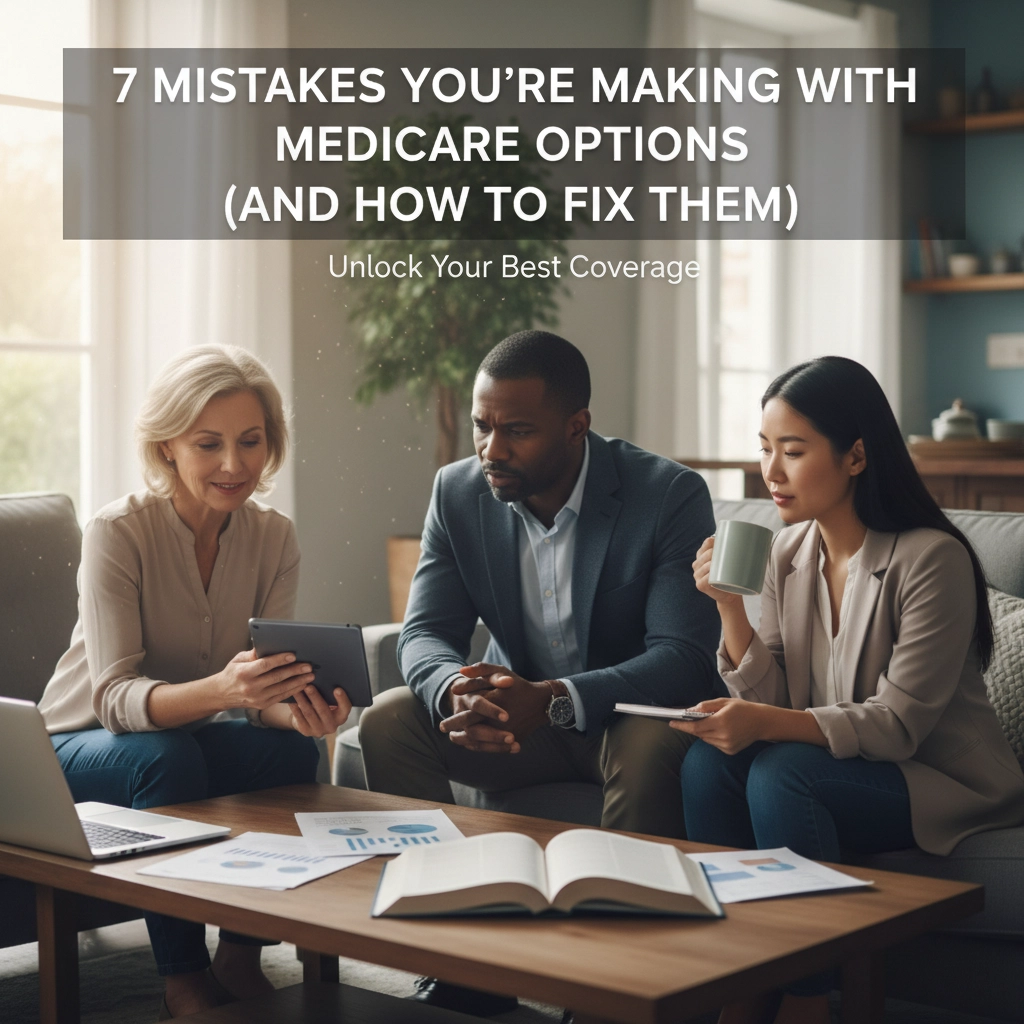
7 Mistakes You're Making with Medicare Options (and How to Fix Them)


7 Mistakes You're Making with Medicare Options (and How to Fix Them)

heroImage

Navigating Medicare can feel overwhelming, especially when you're approaching 65 or helping a loved one make these critical decisions. At Borde & Associates, we've guided countless families through Medicare enrollment over the years, and we've seen the same costly mistakes repeated time and again. The good news? These mistakes are completely preventable when you know what to watch for.

Understanding common Medicare pitfalls can save you thousands of dollars annually and ensure you receive the healthcare coverage you truly need. Let's explore the seven most frequent mistakes people make with Medicare options: and more importantly, how you can avoid them.

Mistake #1: Missing Your Initial Enrollment Period

One of the most expensive errors you can make is waiting too long to sign up for Medicare. Many people assume they'll automatically be enrolled at 65, but this only happens if you're already receiving Social Security benefits at least four months before your 65th birthday.

Missing your Initial Enrollment Period (IEP) triggers permanent late enrollment penalties that follow you for life. For Medicare Part B, you'll pay an additional 10% penalty for every full year you delay enrollment. This penalty compounds annually and never goes away.

How to Fix It:

  • Mark your calendar for your seven-month Initial Enrollment Period: three months before, the month of, and three months after your 65th birthday
  • If you're still working and have employer coverage, understand how this affects your enrollment timeline
  • Contact our team at Borde & Associates to review your specific situation and enrollment deadlines

image_1

Mistake #2: Choosing Coverage Based Solely on Premium Cost

We understand the appeal of selecting the cheapest Medicare plan available: healthcare costs are a significant concern for most families. However, focusing exclusively on monthly premiums often leads to much higher out-of-pocket expenses when you actually need medical care.

That $0 premium Medicare Advantage plan might seem attractive, but it could cost you thousands more in deductibles, copays, and coinsurance compared to a plan with a modest monthly premium but better coverage structure.

How to Fix It:

  • Calculate your total annual healthcare costs, including premiums, deductibles, and expected medical expenses
  • Consider your prescription medications and their coverage under different plans
  • Factor in your preferred doctors and hospitals when evaluating plan value
  • Review the Maximum Out-of-Pocket limits for each plan option

Mistake #3: Not Understanding Medicare's Structure and Choosing the Wrong Plan Type

Medicare's alphabet soup of Parts A, B, C, and D confuses many beneficiaries, leading them to select coverage that doesn't match their healthcare needs or financial situation. This fundamental misunderstanding can result in gaps in coverage or unnecessary expenses.

Original Medicare (Parts A and B) works differently than Medicare Advantage (Part C), and each approach has distinct advantages and limitations that affect your healthcare access and costs.

How to Fix It:

  • Learn the difference between Original Medicare and Medicare Advantage before making any decisions
  • Understand that Medicare Advantage plans typically restrict you to network providers
  • Consider whether you prefer the flexibility of Original Medicare with a Medigap policy
  • Evaluate your travel patterns and healthcare preferences when choosing between plan types

image_2

Mistake #4: Ignoring the Annual Election Period

Many Medicare beneficiaries treat their initial plan selection as a "set it and forget it" decision. This approach prevents you from adapting your coverage as your health needs change or taking advantage of better plan options that become available.

Your health status, financial situation, and even your current plan's benefits and costs can change significantly from year to year. The Annual Election Period exists specifically to help you adjust your coverage accordingly.

How to Fix It:

  • Schedule an annual Medicare review every October to evaluate your current coverage
  • Compare your plan's upcoming changes with other available options
  • Document any changes in your health, medications, or preferred providers
  • Use Medicare's Annual Notice of Changes to understand how your current plan will differ next year
  • Consider working with our Medicare specialists for professional guidance during this crucial decision period

Mistake #5: Overlooking Hidden Out-of-Pocket Costs

When comparing Medicare plans, most people focus on obvious expenses like monthly premiums, annual deductibles, and primary care visit costs. However, other significant expenses: such as specialist copays, diagnostic test coinsurance, and emergency room charges: often catch beneficiaries by surprise.

These "hidden" costs can quickly add up, especially if you develop a chronic condition or require ongoing medical care throughout the year.

How to Fix It:

  • Request a comprehensive breakdown of all potential costs from each plan you're considering
  • Pay special attention to coinsurance percentages for expensive services like hospital stays or outpatient procedures
  • Understand the difference between copays (fixed amounts) and coinsurance (percentages)
  • Factor in costs for services you're likely to need, not just routine care
  • Review the plan's Maximum Out-of-Pocket limit as your safety net

image_3

Mistake #6: Selecting Medicare Advantage Without Verifying Doctor Networks

Medicare Advantage plans often attract beneficiaries with appealing extra benefits like dental coverage, vision care, or gym memberships. While these perks have value, they shouldn't overshadow the fundamental question: Can you continue seeing your current doctors and specialists?

Network restrictions in Medicare Advantage plans can force you to change providers or pay significantly higher out-of-network costs. Losing access to trusted healthcare providers can be more costly and disruptive than any additional benefits the plan offers.

How to Fix It:

  • Call your doctors' offices directly to confirm they accept the specific Medicare Advantage plan you're considering
  • Verify that your specialists and preferred hospital are in-network
  • Understand the plan's referral requirements for specialist visits
  • Review out-of-network costs and emergency care coverage
  • Consider how network restrictions might affect your access to care while traveling
  • Ask about the plan's process for handling provider network changes mid-year

Mistake #7: Neglecting Prescription Drug Coverage Details

Prescription drug coverage might seem straightforward, but Medicare Part D plans have complex structures that can significantly impact your medication costs. Each plan maintains its own formulary (list of covered drugs), and medications are placed in different cost-sharing tiers.

Failing to carefully review prescription coverage can result in unexpected costs when you fill your medications, or worse, finding out your essential medications aren't covered at all.

How to Fix It:

  • Create a complete list of all your current medications, including dosages
  • Use Medicare's Plan Finder tool to compare how different Part D plans cover your specific drugs
  • Pay attention to which tier your medications are placed in: higher tiers mean higher costs
  • Understand each plan's coverage gap (donut hole) and how it affects your costs
  • Review preferred pharmacy networks to ensure convenient access
  • Consider generic alternatives if they're available and appropriate for your condition

image_4

Taking Action on Your Medicare Decisions

Avoiding these seven common Medicare mistakes requires careful planning and ongoing attention to your coverage needs. The decisions you make about Medicare will affect your healthcare access and costs for years to come, making it essential to approach these choices thoughtfully and systematically.

At Borde & Associates, we've helped families navigate Medicare options for over a decade, and we understand that every situation is unique. Your healthcare needs, financial circumstances, and personal preferences all play crucial roles in determining the right Medicare coverage for you.

Ready to Make Informed Medicare Decisions?

Don't let these common mistakes jeopardize your healthcare coverage or strain your budget. Our experienced team is here to help you understand your Medicare options and select coverage that truly meets your needs.

Visit our Medicare Options page to learn more about our services, or contact us directly to schedule a personalized consultation. We'll review your specific situation, explain your options in plain English, and help you make confident decisions about your Medicare coverage.

Your peace of mind and financial security are our priorities. Let us help you navigate Medicare successfully and avoid these costly mistakes that affect so many beneficiaries each year.


#Medicare #MedicareOptions #MedicareTips #HealthInsurance #Medicare2024 #MedicareAdvantage #MedicareSupplement #SeniorHealth #RetirementPlanning #MedicareEnrollment #HealthcareCosts #MedicareHelp #Part65 #MedicareMistakes #HealthInsuranceGuide #MedicarePlanning #InsuranceAdvice #BorderAssociates #MedicareSpecialist